Exploring the Conestoga Style Trailer: Unique Features and Safety Tips for Securing Your Load and Keeping Your Driver Safe
Exploring the Conestoga Style Trailer: Unique Features and Safety Tips for Securing Your Load and Keeping Your Driver Safe
Understanding Conestoga Style Trailers
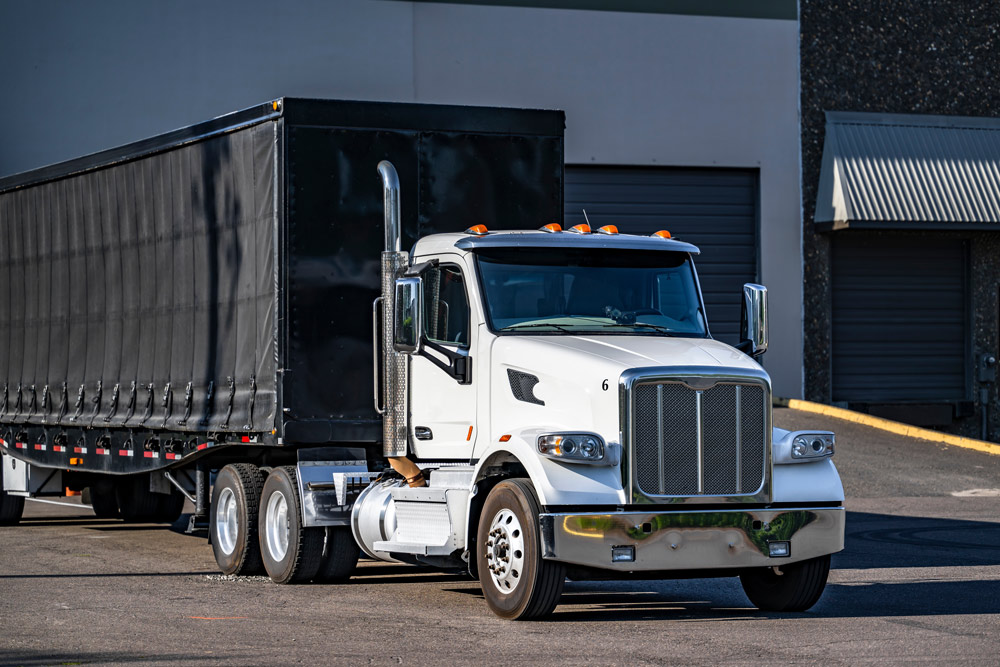
Conestoga-style cargo trailers have a recognizable exterior thanks to their integrated tarpaulin design. Named after the canvas-covered Conestoga wagons used by American pioneers in the 18th and 19th centuries, Conestoga style trailers have a distinctive tub-like profile that offers the advantages of both flatbed and enclosed trailers. Below, we will explore some key characteristics of Conestoga-style trailers and offer tips on best practices for securing your load.
Unique Features of Conestoga Style Trailers
1. Roll-Up Tarp System
One of the standout features of Conestoga trailers is their roll-up tarp system. This system includes a series of horizontal bows and a heavy-duty tarp that can be rolled back to provide easy cargo access. Unlike traditional enclosed trailers, the Conestoga design allows for quick and flexible loading and unloading while providing exceptional protection for cargo.
An added benefit to this style of trailer is reduced risk of injuries to drivers from dragging heavy, wet, or even ice-layered tarps. Moreover, as the tarp on a Conestoga trailer does not rest directly on the cargo, damage to delicate pieces on machinery or robotic cargo may be prevented.
2. Adjustable Covering System
The Conestoga trailer’s covering system can be adjusted to accommodate various types of cargo, making it suitable for the transportation of delicate or irregularly shaped loads that might not travel well on a standard open flatbed or in enclosed trailers.
3. Durable Construction
Conestoga trailers are built with high-strength materials to ensure their durability. Their frames are typically constructed from steel and aluminum, offering a sturdy foundation that can withstand heavy loads and tough conditions.
4. Easy Access Points
Conestoga trailers offer easy access to the cargo from multiple points along the trailer. This design helps facilitate faster loading and unloading, which can significantly reduce handling time.
Disadvantages of a Conestoga style trailer
There are some disadvantages to using a Conestoga style trailer, such as:
- Limited Weight Capacity: Conestoga trailers typically have a maximum weight capacity of 44,000 pounds, compared to the 48,000-pound capacity for a traditional flatbed.
- Limited Dimensional Capacity: The covering and its frame do not allow for loads to extend above the height of the tarp.
- Higher Costs: Conestoga trailers are more expensive to purchase and maintain; however, these costs can often be offset by securing loads that require more care and environmental protection.
Safety Tips for Securing Loads and Ensuring Driver Safety
1. Driver Safety and OSHA Compliance for A Conestoga Style Trailer
Providing your driver with an OSHA rated fall protection system is a critical part of any company’s risk mitigation program. According to OSHA 1910.29, companies must ensure that fall protection systems will be provided for walking on working surfaces 4 feet or higher off the ground, such as open flatbeds and Conestoga style flatbeds. Providing robust fall protection and safety systems can lead to lower insurance costs and an increased ability to attract and retain drivers.
A fall protection system designed specifically for a Conestoga trailer is required.
2. Understanding Load Limits
Before loading, always check the trailer’s maximum load capacity (typically 44,000 pounds). Overloading can compromise the stability and handling of the trailer, increasing the risk of accidents.
3. Distribute Weight Evenly
Proper weight distribution is crucial. Load the trailer evenly to maintain balance and prevent swaying while driving. Ensure that the weight is centered over the trailer’s axles to avoid undue stress on the hitch and suspension.
4. Use Appropriate Securing Equipment
Use high-quality straps, chains, and tie-downs to secure the load. Ensure that the equipment is rated for the weight of the cargo and that it is properly tightened. Consider using load bars or pallets to stabilize the cargo.
5. Check the Tarp System
Before traveling, ensure that the roll-up tarp system is properly secured. The tarp should be tightly fastened to prevent it from flapping in the wind or becoming dislodged during transit.
6. Inspect the Trailer Regularly
Conduct routine inspections of the trailer to check for any signs of wear and tear. Pay attention to the condition of the tarp, frame, and tires. Address any issues before hitting the road to avoid potential hazards.
7. Secure Cargo at Multiple Points
Use multiple tie-down points to secure the load. This practice minimizes the risk of shifting during transit. For irregularly shaped items, use additional straps or braces to keep them stable.
8. Check for Load Shifting
Periodically stop and check the load during long trips. Look for any signs of shifting or loosening of the securing equipment. Make adjustments as needed to maintain load stability.
9. Follow Local Regulations
Ensure that you comply with any local or regional regulations regarding load securing. Some areas have specific requirements for securing loads to enhance road safety.
Run Safer Conestoga Operations with Engineered Fall Protection
Conestoga style trailers offer flexibility and efficiency, but they also introduce fall risks that require planning. The right engineered fall protection system can help you strengthen compliance, protect your drivers, and support safer day-to-day operations.
If you’re evaluating ways to improve safety around your Conestoga trailers, we’re here to help. Complete the RFQ form below to start a conversation and receive a customized quote for your operation.